Unveiling the Real Science Behind Spider-Man's Most Unsettling Trailer
In a recent trailer for the upcoming Spider-Man movie, a chilling scene showed a spider's life cycle in a haunting and unsettling manner. But did you know that the science behind this life cycle is actually quite fascinating? In this article, we delve into the real science behind the life cycle of spiders and how it relates to Spider-Man's most unsettling trailer yet.
The Science Behind Spider-Man's Unsettling Trailer
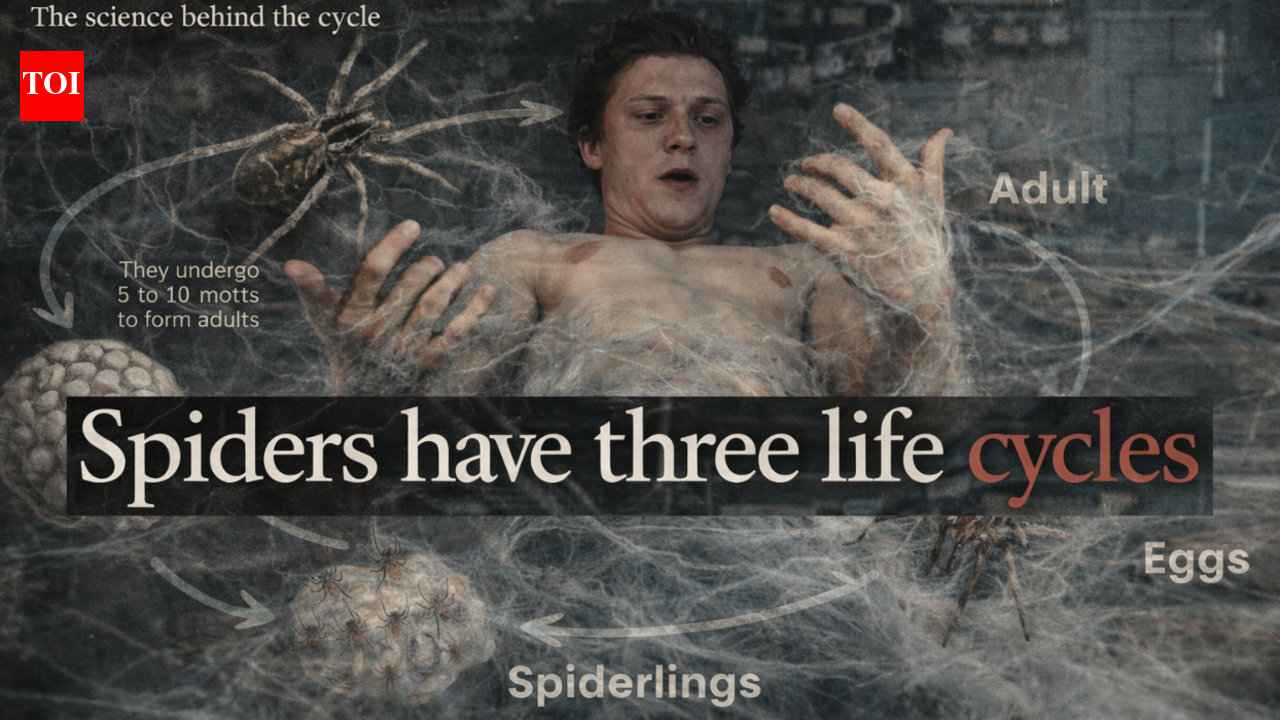
The trailer showed a spider's life cycle in a series of rapid-fire shots, from egg to adult spider. But what you may not know is that spiders actually have three life cycles: egg, nymph, and adult. The egg stage is where the spider begins its life, usually in the form of a sac containing multiple eggs. The nymph stage is where the spider undergoes a series of molts, gradually increasing in size and developing its adult features.
The Anatomy of a Spider's Life Cycle
So, let's break down the anatomy of a spider's life cycle. The egg stage typically lasts for a few weeks, during which time the spider develops and grows inside the egg sac. After hatching, the spider enters the nymph stage, where it will go through a series of molts before reaching adulthood. This stage can last anywhere from a few months to a year or more, depending on the species and environmental factors.
Spider-Man's Connection to the Real Science
While the trailer may have been unsettling, it's actually a great representation of the real science behind spiders' life cycles. In the movie, Spider-Man's powers are derived from a spider bite, which allows him to tap into the spider's regenerative abilities. This is actually based on real-life science, as some spiders have the ability to regrow lost limbs and even heal from injuries.
Key Takeaways
Here are the key takeaways from this article:
- Spiders have three life cycles: egg, nymph, and adult.
- The egg stage typically lasts for a few weeks, during which time the spider develops and grows inside the egg sac.
- The nymph stage can last anywhere from a few months to a year or more, depending on the species and environmental factors.
- Some spiders have the ability to regrow lost limbs and even heal from injuries.
Conclusion
In conclusion, the real science behind Spider-Man's most unsettling trailer yet is actually quite fascinating. By exploring the life cycle of spiders, we can gain a deeper understanding of the natural world and how it relates to the fictional world of superheroes.
User Feedback: What do you think about the science behind Spider-Man's life cycle? Share your thoughts in the comments below!
🇮🇳 हिंदी में पढ़ें (News in Hindi)
स्पाइडर मैन के सबसे अनसेटलिंग ट्रेलर के पीछे वास्तविक विज्ञान
स्पाइडर मैन फिल्म के नये ट्रेलर में एक डरावनी सीन दिखाया गया था, जिसमें एक स्पाइडर का जीवन चक्र दिखाया गया था। लेकिन क्या आप जानते हैं कि यह जीवन चक्र वास्तव में बहुत रोचक है? इस लेख में, हम स्पाइडर मैन के सबसे अनसेटलिंग ट्रेलर के पीछे वास्तविक विज्ञान को समझने की कोशिश करते हैं।
वास्तविक विज्ञान पीछे स्पाइडर मैन के अनसेटलिंग ट्रेलर
ट्रेलर में स्पाइडर का जीवन चक्र एक श्रृंखला में दिखाया गया था, जिसमें अंडा से大人 में विकसित होना शामिल था। लेकिन क्या आप जानते हैं कि स्पाइडर्स के वास्तविक जीवन चक्र में तीन चरण होते हैं: अंडा, निम्फ और वयस्क। अंडा चरण में, स्पाइडर अपनी जिंदगी शुरू करता है, आमतौर पर अंडे के सैक में कई अंडे। निम्फ चरण में, स्पाइडर एक श्रृंखला में बदल जाता है, जिसमें वह अपने वयस्कता के विशेषताओं को विकसित करता है और अपने आकार में वृद्धि करता है।
स्पाइडर मैन का जीवन चक्र
अब, आइए स्पाइडर मैन के जीवन चक्र को समझने की कोशिश करते हैं। अंडा चरण आमतौर पर कुछ सप्ताह के लिए रहता है, जिसमें स्पाइडर अंडे के सैक के अंदर विकसित और बढ़ता है। अंडे से निकलने के बाद, स्पाइडर निम्फ चरण में प्रवेश करता है, जहां वह अपने वयस्कता की विशेषताओं को विकसित करता है और अपने आकार में वृद्धि करता है। इस चरण की अवधि कुछ महीनों से लेकर एक साल या उससे भी अधिक समय तक हो सकती है, जो प्रजाति और पर्यावरण कारकों पर निर्भर करती है।
स्पाइडर मैन का वास्तविक कनेक्शन
जबकि ट्रेलर डरावना हो सकता है, यह वास्तविक विज्ञान का एक अच्छा प्रतिनिधित्व है जो स्पाइडर्स के जीवन चक्र को दर्शाता है। फिल्म में, स्पाइडर मैन के शक्ति उनके बाइट से आती है, जो उन्हें विचार करने की शक्ति देती है कि स्पाइडर्स की पुनरुत्पादक क्षमताओं को कैसे प्राप्त किया जाए। यह वास्तविक जीवन में भी सच है, क्योंकि कुछ स्पाइडर्स अपने अंगों को पुनर्जन्म कर सकते हैं और चोटों से स्वस्थ हो सकते हैं।
मुख्य सारांश
इन लेख के प्रमुख सारांश इस प्रकार हैं:
- स्पाइडर्स के तीन जीवन चक्र हैं: अंडा, निम्फ और वयस्क।
- अंडा चरण आमतौर पर कुछ सप्ताह के लिए रहता है, जिसमें स्पाइडर अपने अंडे के सैक में विकसित और बढ़ता है।
- निम्फ चरण की अवधि कुछ महीनों से लेकर एक साल या उससे भी अधिक समय तक हो सकती है, जो प्रजाति और पर्यावरण कारकों पर निर्भर करती है।
- कुछ स्पाइडर्स अपने अंगों को पुनर्जन्म कर सकते हैं और चोटों से स्वस्थ हो सकते हैं।
निष्कर्ष
निष्कर्ष में, वास्तविक विज्ञान के पीछे स्पाइडर मैन के सबसे अनसेटलिंग ट्रेलर है वास्तव में बहुत रोचक है। स्पाइडर मैन के जीवन चक्र को समझने के द्वारा, हम प्राकृतिक दुनिया को और विश्लेषण की कोशिश कर सकते हैं और कैसे यह शारीरिक दुनिया के साथ संबंधित है।
उपभोक्ता प्रतिक्रिया: क्या आप स्पाइडर मैन के जीवन चक्र के पीछे वास्तविक विज्ञान से क्या सोचते हैं? अपने विचार नीचे दिए गए टिप्पणी अनुभाग में साझा करें!
Loading comments...